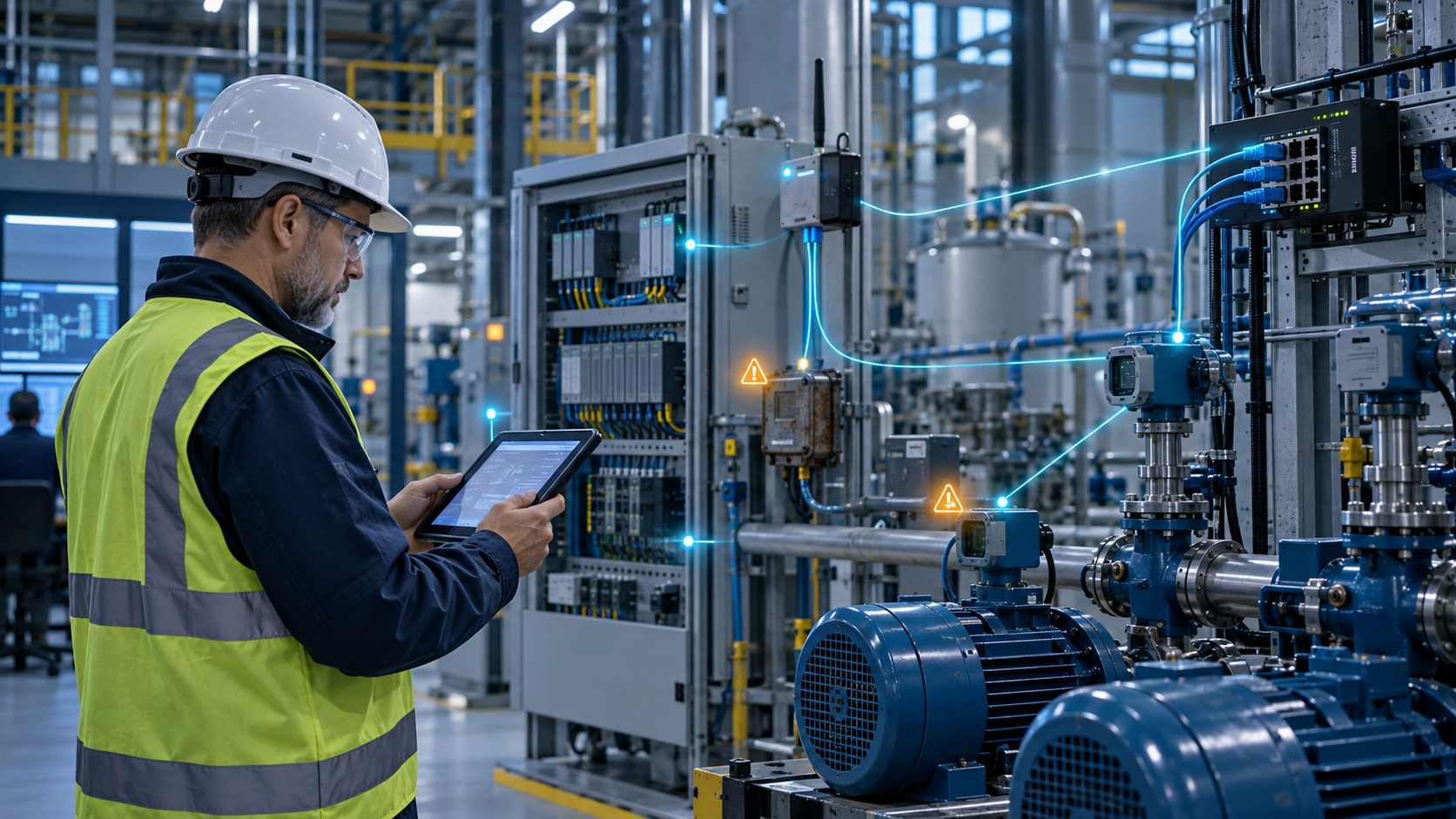
Slow systems and downtime are often viewed as minor technical inconveniences, with many organizations focusing only on immediate revenue loss. In reality, their impact extends far beyond short term financial effects. System performance directly influences productivity, decision making, and overall customer experience. When systems are slow or unreliable, the entire organization feels the consequences. For businesses that rely on technology to scale and remain competitive, maintaining strong system performance is essential.

What Causes Slow Systems and Downtime
Performance issues rarely come from a single source. They are typically the result of multiple inefficiencies that build over time. Common causes include outdated infrastructure, overloaded systems, inefficient architecture, lack of monitoring, and integration gaps between platforms. Without a proactive strategy in place, these issues continue to grow and eventually disrupt daily operations, making it more difficult for businesses to maintain efficiency and consistency.
Business Impact of Slow Systems
Slow systems affect more than just speed. They create operational inefficiencies by delaying tasks and interrupting workflows, which gradually reduces overall productivity. They also slow down decision making by limiting access to timely and accurate data, leading to missxed opportunities and delayed responses. Over time, unreliable systems can create frustration among employees, lowering morale and reducing efficiency. From a customer perspective, performance issues can negatively impact service quality and weaken trust. As businesses grow, poor system performance also becomes a barrier to scalability, making it harder to adopt new technologies and expand operations effectively.
Downtime Is a Signal
Downtime should not be treated as a one time issue that is quickly resolved and forgotten. In many cases, recurring disruptions are a sign of deeper underlying problems related to infrastructure, system design, or monitoring. Even small but frequent interruptions can accumulate and create significant operational challenges. Recognizing downtime as a pattern rather than an isolated event allows organizations to address the root cause and prevent more serious issues in the future.
Improving System Performance
Improving system performance requires a structured and proactive approach. Organizations need continuous monitoring to detect and resolve issues before they escalate. Systems should be designed with scalability in mind to support growth without sacrificing performance. Regular optimization is also necessary to ensure that systems remain efficient as business needs evolve. Most importantly, technology must align with business goals, ensuring that system performance supports both operational efficiency and long term strategy.
Why Businesses Choose ESEI
ESEI helps organizations transition from reactive problem solving to proactive performance management. By combining engineering expertise with a business focused approach, ESEI enables companies to improve system reliability, reduce downtime, increase operational efficiency, and support sustainable growth. This ensures that technology becomes a strong foundation for success rather than a limitation.
Take the Next Step
If your business is experiencing slow systems or recurring downtime, it may be time to reassess your infrastructure. Taking a proactive approach today can help prevent larger challenges in the future and create a more stable and efficient operational environment.
Key Takeaways
• Slow systems impact productivity, decision making, and customer trust
• Performance issues often develop over time and are preventable
• Recurring downtime signals deeper system challenges
• Proactive monitoring and optimization improve reliability
• Strong system performance supports long term growth

FAQs
- What causes slow systems
Slow systems are typically caused by outdated infrastructure, system overload, poor architecture, and lack of monitoring - How does downtime affect businesses
Downtime disrupts operations, delays decision making, reduces productivity, and impacts customer trust - Can downtime be reduced
Yes, downtime can be significantly reduced through proactive monitoring, system optimization, and scalable infrastructure - When should systems be evaluated
Systems should be evaluated when slowdowns or recurring downtime begin to affect operations - How can ESEI help
ESEI provides solutions that improve system performance, reduce disruptions, and support long term business growth